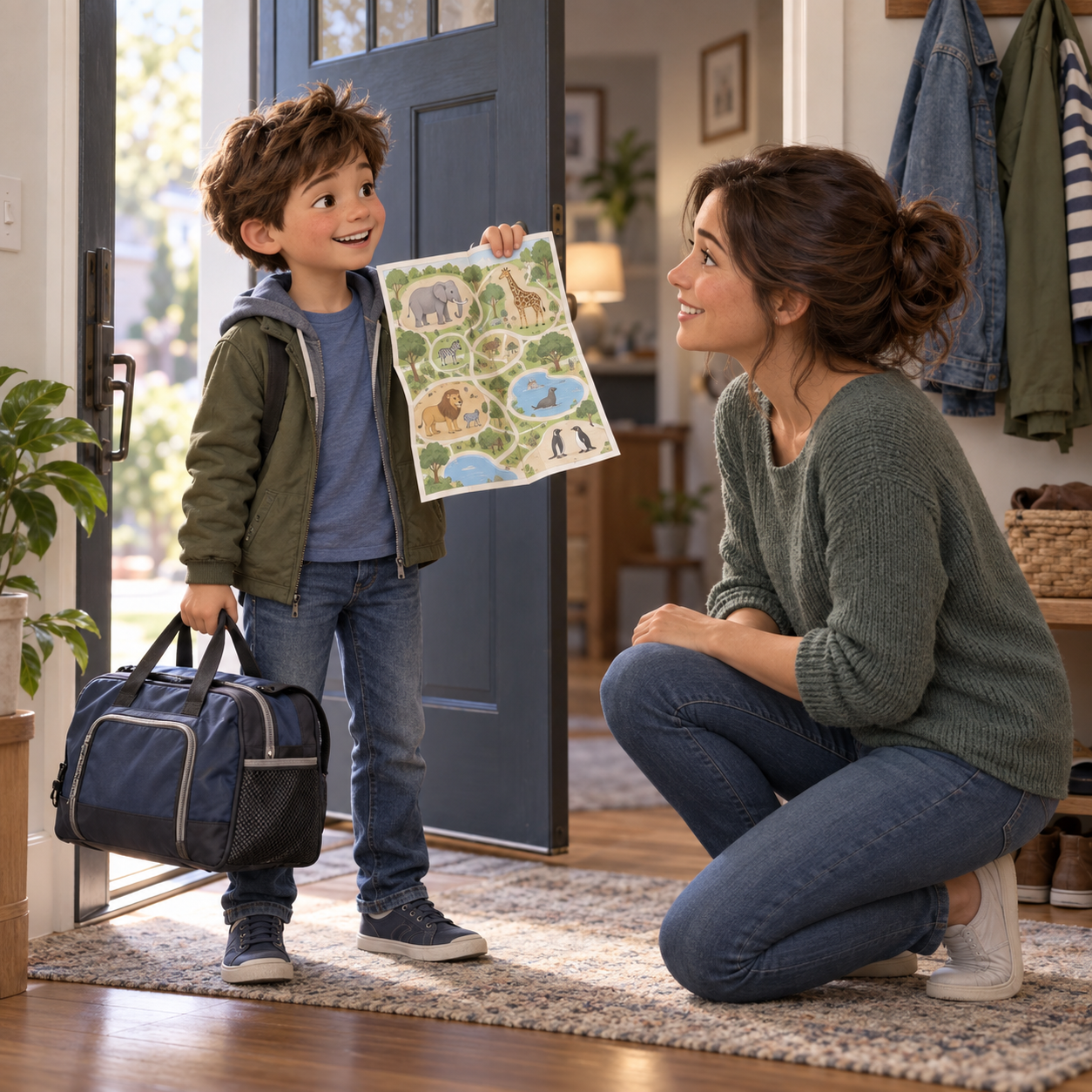
“You Can Tell Me You Had Fun”: Giving a Child Permission to Love Both Homes
A child should not have to study a parent’s face before sharing a happy story from the other home. A calm response, a few careful questions, and permission to love both parents can keep a child from feeling trapped between two families.
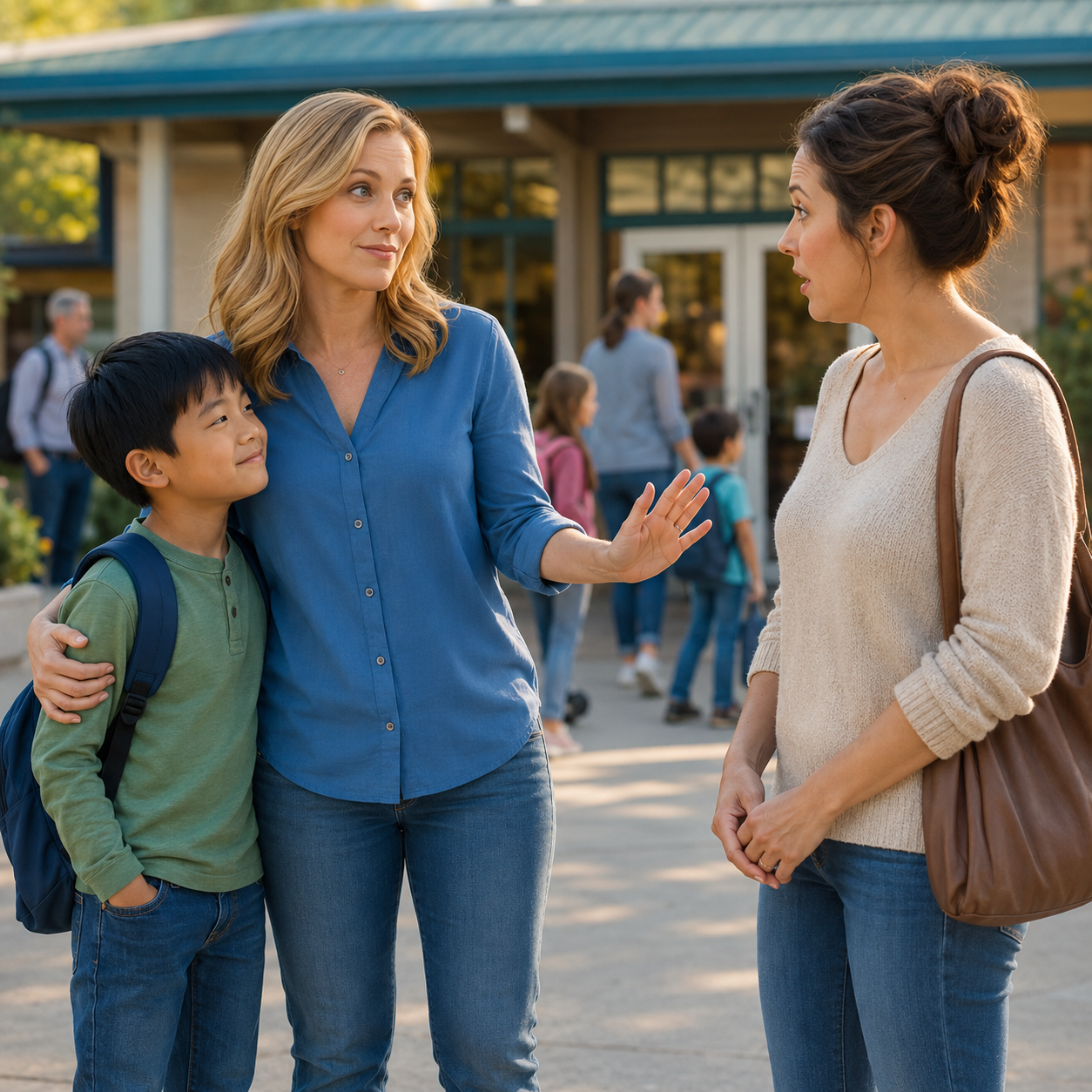
Are Those Your Real Parents?” Helping a Child Protect Their Adoption Story
An adopted child may be proud of their family and still freeze when someone asks a personal question. They do not owe classmates, neighbors, or curious adults their whole history. A few practiced answers—and a grown-up who knows when to step in—can help a child protect their privacy without treating adoption like a secret.
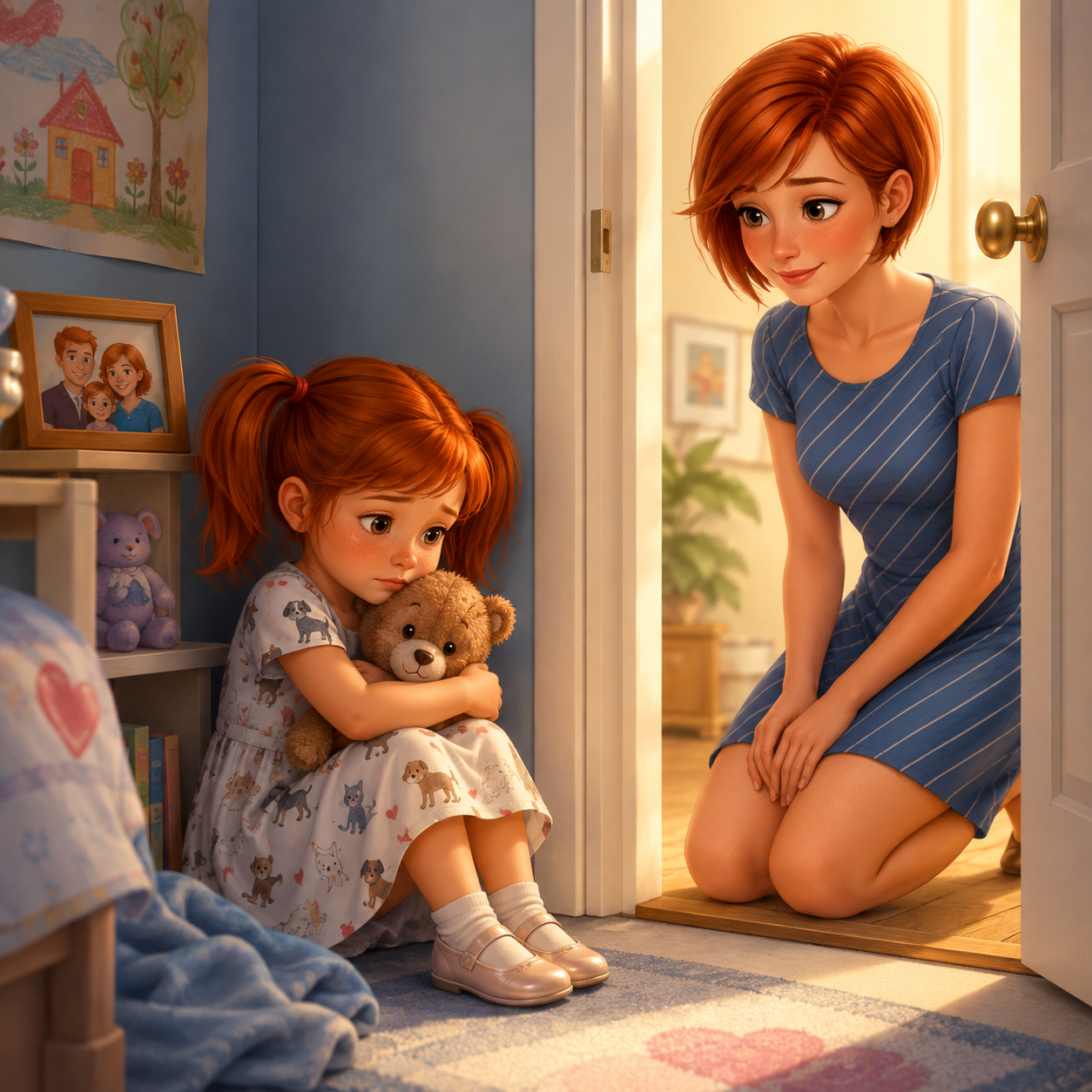
After a PTSD Moment: What a Child Needs to Hear Next
A balloon pops, Dad startles and shouts, and a child is left wondering what just happened. Once everyone is calm and safe, silence does not make the moment disappear. Children need simple words that name what happened, make clear it was not their fault, and show them what the adults will do next.
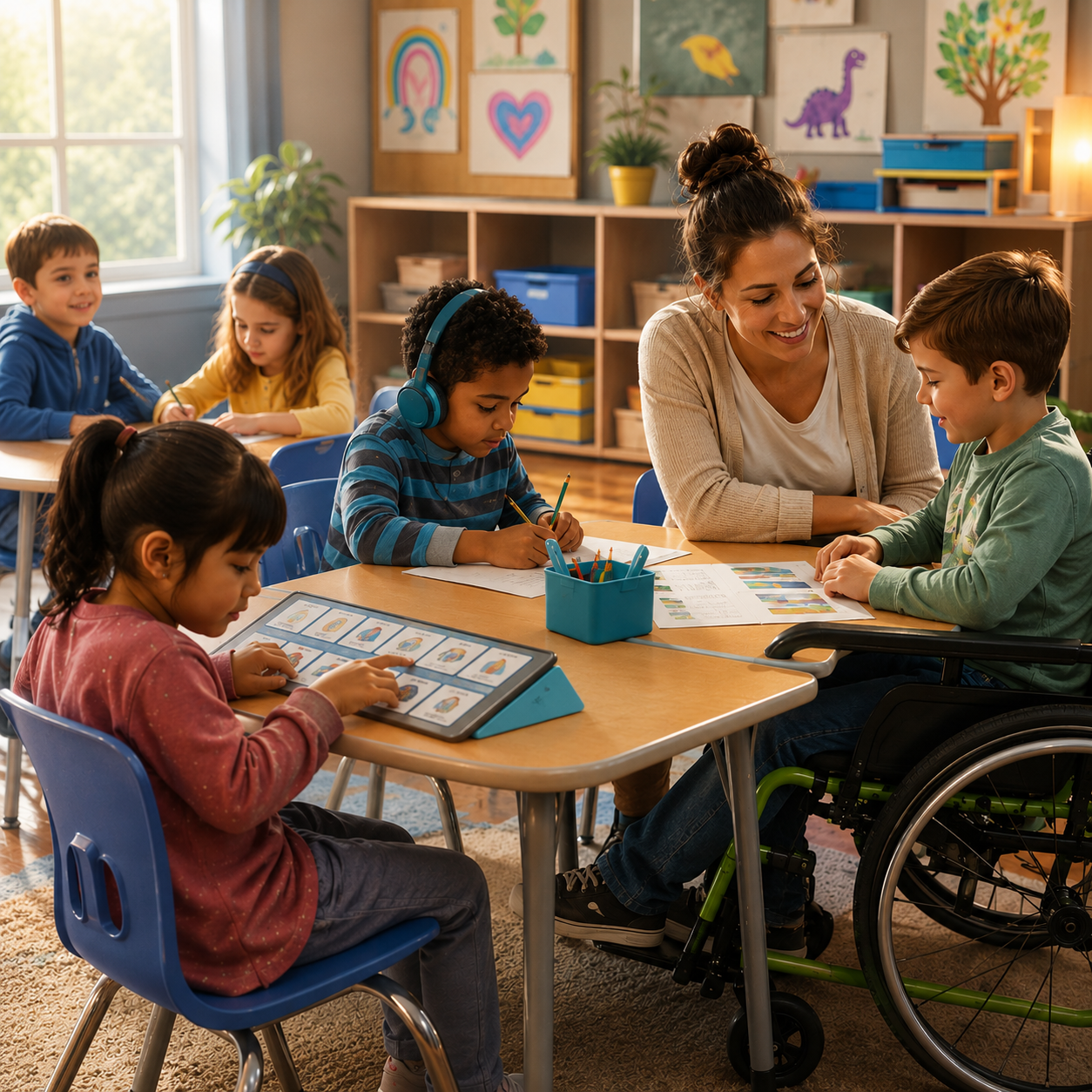
When “That’s Not Fair” Is Really a Question About Disability
A child notices that one classmate gets extra time, another uses the elevator, and someone else wears headphones during quiet work. Then comes the question: “Why do they get special treatment?” That question does not have to become an argument. It can open a useful conversation about disability, privacy, equal access, and why fair does not always mean everybody gets the exact same thing.
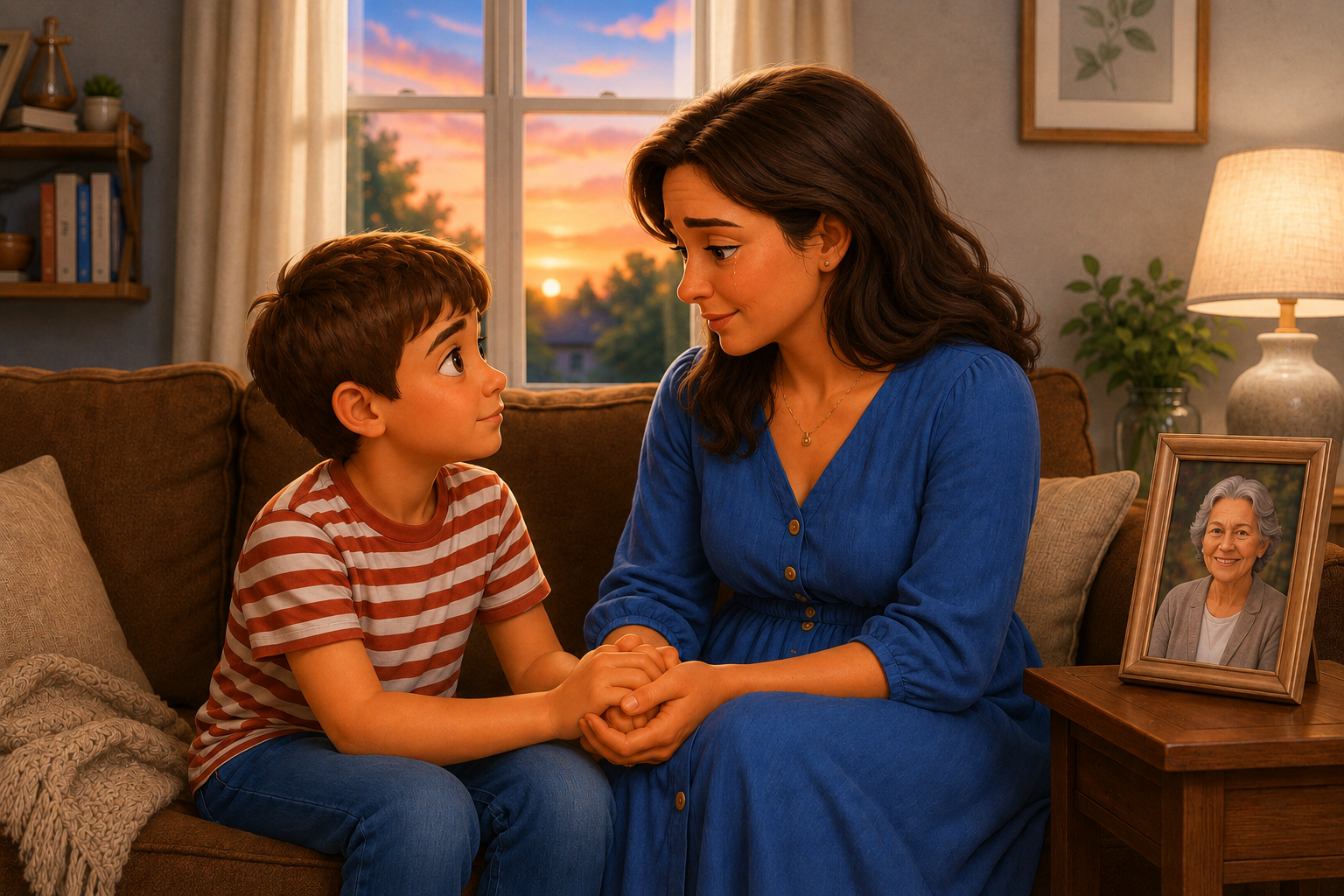
When Your Child Sees You Cry: “Are You Going to Be Okay?”
After someone dies, adults often try to hide their tears from the children they love. But a child who sees Grandma’s empty chair and then watches Daddy hurry from the room may be left with an even bigger worry: Is he going to be okay? Children do not need adults who never cry. They need honest words, steady reassurance, and permission to have feelings of their own.
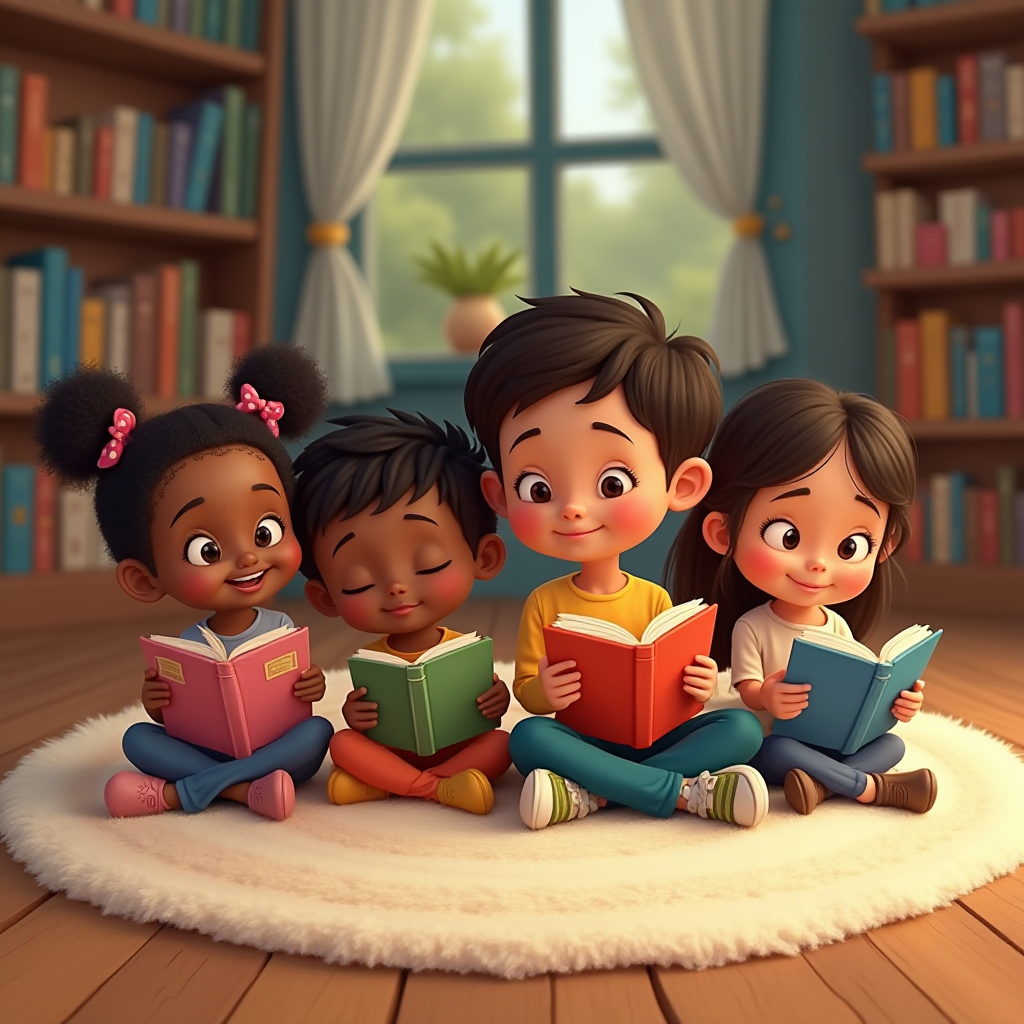
The Power of Representation in Kids' Books
When a child in a wheelchair sees a hero in a wheelchair, it sparks courage. When a child with two dads sees a family that looks like theirs, it whispers, your family is beautiful too. Stories help children feel less alone and more confident in who they are. That kind of validation is priceless

Why I Write Children’s Books that Tackle Tough Stuff
When I sit down to write, I don’t just think about stories — I think about the kids who will be holding those books. I think about the families who are navigating grief, change, or fear, and I ask myself: What story would have helped me when I was little?
That’s why my My Family series doesn’t shy away from the hard topics. Kids notice more than we realize. They pick up on emotions, on absences, on struggles in the home. If we don’t give them words to understand what’s happening, they’re left to carry it alone. These books are my way of saying, “You’re not alone. Other families go through this too. And it’s okay to talk about it.”
I believe kids deserve honesty wrapped in gentleness. They deserve stories that don’t sugarcoat life, but that also don’t steal away hope. That’s the balance I strive for every time I write: real conversations, safe storytelling, and emotional truth.

How to Talk to Kids About Big Feelings
You know that look—a tiny face crumpling under the weight of a feeling too big for their little body. One moment they’re laughing, the next they’re sobbing into your shoulder. And all you want to do is help… but you’re not sure how to start.
The truth is, kids don’t always have the words for what they feel. But that doesn’t mean they aren’t feeling it with their whole heart. Whether it’s grief, fear, excitement, or anger, those emotions are real—and they need us to help them name and navigate them.

What Makes a Gentle Book for a Hard Topic?
Some stories aren’t easy to tell—especially when they’re about big feelings like grief, fear, or change. But that’s exactly why gentle books matter. They help little ones understand what’s happening around them… and inside their hearts.
So, what makes a children’s book “gentle” when it tackles a tough topic? We think it comes down to three important things:

Why My Family Books Are Different from Other Kids’ Books
When you walk through the children’s book aisle, you’ll find shelves full of bright covers, silly characters, and playful rhymes. And don’t get us wrong—those books have their place. But the My Family series was created to do something different. Something deeper.
We’re not just telling stories—we’re opening conversations.
Each My Family book gently explores topics that many families struggle to talk about: loss, adoption, disabilities, divorce, cultural differences, and more. These are the real-life moments that shape childhood... and we believe kids deserve stories that meet them where they are.

Explaining Death to a Child Without Breaking Their Heart
When I had to explain death to a child in my own life, it was a different time.
There was no internet. No smartphones. No YouTube or online parenting forums.
If you wanted help explaining something hard — like death — you had two choices: go to the library and search through encyclopedias, or find a chaplain or counselor. Books on grief for children weren’t just a click away. And honestly, most folks didn’t know how to talk about it. It was awkward, uncomfortable… and often left unsaid.
That’s why I believe today is better. We know more. We talk more. And we have more resources than ever to help our children understand and process grief — without scaring them or leaving them in the dark.

📚 Why Kids Need Their Own Grief Books
When someone dies, our world shifts. As adults, we know what loss means. We’ve felt it before. We cry, we talk, we process. But little kids? They don’t have those tools yet.
They don’t always cry.
Sometimes they act out.
Or go quiet.
Or ask the same heartbreaking question again and again:
🗨️ “When is Grandma coming back?”
That’s why grief books just for kids matter so much.

When Parents Live Apart: Helping Kids Feel Secure in Two Homes
My mom and dad divorced when I was around two years old. I don’t remember my father being around—not really. I didn’t see him again until I was ten, and even then, it was just a few moments in time until much later, when I made the effort to reconnect.
But it wasn’t just my story I saw—I watched it unfold over and over again in my own family. The custody schedules. The tension. The arguments over time. And the quiet hurt I saw in the kids’ eyes.
The Hallway That Changed Everything
There’s a moment I think about often. A stretch of hallway—maybe 15 feet long—where I had to figure out how to tell a six-year-old that her mother was gone.
Her mom had been in a motorcycle accident. It was sudden. Tragic. And as a step-grandparent, I wasn't sure where I fit in at first. But when Child Protective Services called the hospital looking for her dad, it was me and my wife who went to get her. Her father was overseas—military—doing his duty far from home. He got on a plane. We got in the car.
The next day, her mother’s parents arrived. We were all together, sitting in my living room, trying to hold each other up. But one moment hung heavy in the air:
Who was going to tell the child?