After a PTSD Moment: What a Child Needs to Hear Next
A balloon pops at a birthday party.
Dad jumps, knocks his chair backward, and shouts before hurrying into the next room. The music keeps playing. Someone picks up the chair. The grown-ups try to act as though nothing happened.
But a child is still standing there with a paper plate in his hand.
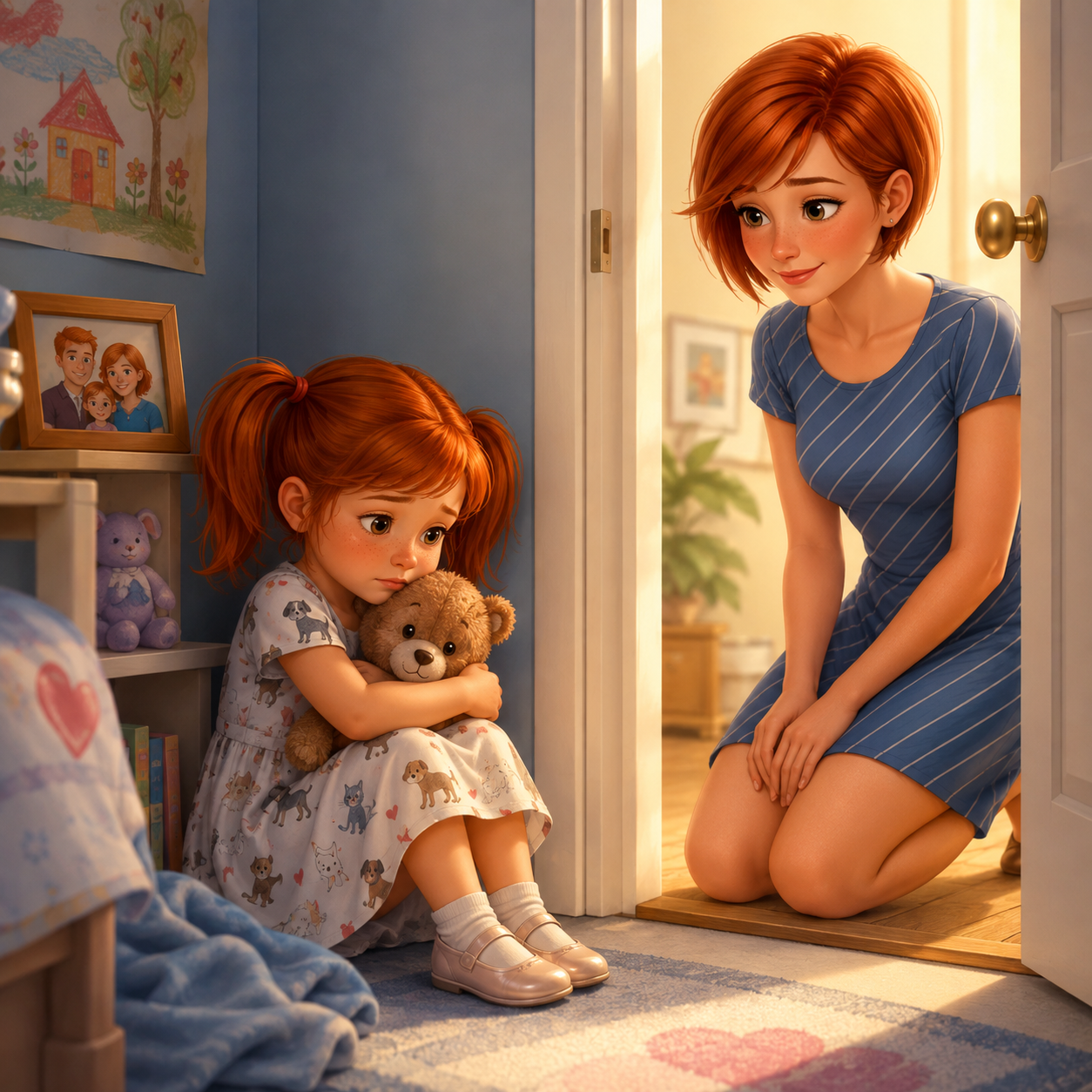
Later, someone says, “Daddy is fine. Go play.”
The child may go play, but the question goes with him: Was that my fault?
When a parent lives with PTSD, a loud noise, crowded room, bad dream, smell, memory, or sudden touch may bring a strong reaction. PTSD looks different from one person to another. Some people become quiet or distant. Some startle easily. Some feel anxious, irritable, or overwhelmed. Many people with PTSD are never violent, and the diagnosis should never be used as a shortcut for assuming someone is dangerous.
Still, even a brief reaction can confuse a child. Once everyone is calm and safe, the family needs more than silence. The child needs help understanding what happened and what comes next.
Safety Comes Before the Conversation
The first job during a hard moment is not explaining PTSD. It is making sure everyone is safe.
A child may already have a family plan: go to a calm room, get a comfort item, stay with a trusted adult, or use a family signal that means everyone needs to slow down. The plan should be simple enough for the child to remember without making the child responsible for managing the adult.
The child is not the therapist, peacekeeper, or emergency plan.
If a parent needs space to settle, another trusted adult can stay with the child and say, “Dad is having a hard moment. You are with me, and the grown-ups are handling it.”
Do not force the full conversation while voices are still raised or bodies are still tense. A child cannot listen well when they are watching for the next loud sound. Calm first. Explain later.
If anyone may be in immediate danger, safety takes priority and the family should seek emergency help.
Name What the Child Actually Saw
After things settle, adults sometimes want to make the event smaller.
“Nothing happened.”
“You misunderstood.”
“Let’s forget about it.”
The problem is that something did happen from the child's point of view. Dad shouted. Mom looked worried. A chair fell. The child felt scared. Denying the moment may teach the child not to trust what they saw or felt.
An explanation can be simple:
“That balloon made a sudden loud sound. Dad's body reacted before he had time to think. He raised his voice and left the room. That may have scared you.”
This names the sound, the reaction, and the child's possible feeling. It does not give the child graphic details about the parent's trauma. Children usually do not need the whole history to understand the present moment.
The explanation should fit the child's age. A younger child may need two or three sentences. An older child may want to know why a harmless balloon can feel so powerful. You might explain that PTSD can make a person's brain and body react as though an old danger is happening again, even when the person is safe now.
Say Clearly: “This Was Not Your Fault”
Adults may believe this part is obvious. To a child, it may not be.
Children are good at putting themselves in the center of an explanation. I asked for balloons. I was too loud. I touched Dad's shoulder. I should have known better.
Do not make the child hunt for reassurance. Say it plainly:
“You did not cause Dad's PTSD.”
“You did not make his feelings happen.”
“It is not your job to fix this.”
A child can learn reasonable family rules, such as asking before waking someone who has nightmares or using the family safety signal when a situation becomes tense. Those rules should help the child feel prepared, not responsible for preventing every symptom.
No family can remove every surprise, noise, difficult date, bad night of sleep, or stressful moment. The grown-ups remain responsible for the grown-up problem.
An Explanation Is Not the Same as an Excuse
PTSD may help explain why a parent reacted strongly. It does not erase the effect of the behavior.
If a parent shouted, threw something, frightened the child, or spoke harshly, the child needs honest responsibility. A useful apology does not say, “I have PTSD, so I couldn't help it.” It also does not place blame back on the child.
It may sound like this:
“I shouted, and that scared you. I am sorry. The loud noise startled me, but raising my voice was still my responsibility. I am working with other grown-ups on better ways to handle those moments.”
That apology separates the child from the cause, acknowledges the harm, and tells the child the parent is taking action. It also shows that asking for help is not weakness.
An apology should not demand immediate forgiveness, a hug, or reassurance from the child. The child may want closeness. They may also want space. Both responses deserve respect.
Ask the Child What the Moment Felt Like
Adults know what happened inside the parent with PTSD. They may not know what happened inside the child.
Try asking:
“What did you think was happening?”
“What part felt scary or confusing?”
“What did you wish a grown-up had told you?”
Then listen without correcting every word.
A child may say, “I thought Dad was mad at me.” Another may say, “I thought he was going to leave.” A younger child may not have words and may draw the fallen chair or act out the moment with toys.
The goal is not to convince the child that they should not have been scared. The goal is to understand the fear well enough to answer it.
Sometimes the child seems completely fine and wants to return to the birthday cake. That does not mean the conversation failed. The door has been opened. The child now knows they can come back when another question arrives.
Restore Something Predictable
PTSD can make home life feel unpredictable when children do not know why a parent's mood or behavior changed. A small, familiar routine can help the family find its footing again.
That might mean finishing bedtime the usual way, eating a snack together, checking the family calm plan, taking a short walk, or letting the child choose whether they want company or quiet.
The routine should not pretend nothing happened. It says, “A hard thing happened, and the adults are still here doing the ordinary work of caring for you.”
Families can also review what helped and what did not.
Did the child know where to go?
Was a trusted adult available?
Did the family signal make sense?
Did the child have a way to ask for help?
The plan may need to change as children grow or family circumstances change. A plan is not proof that every hard moment will be prevented. It gives the family a clearer path when one happens.
Check Again Later
Children do not always ask their real question during the first conversation.
At bedtime, the child may ask, “Will Dad do that again?” Two days later, a balloon on television may bring the whole moment back. A child may become quieter, clingier, more watchful, or worried about making noise.
Check in again without turning every day into an interview:
“I have been thinking about what happened at the party. How are you feeling about it today?”
Children need permission to love a parent and still feel angry, embarrassed, confused, or afraid about what happened. Mixed feelings do not mean the child is disloyal. They mean the moment mattered.
Families may seek help from a pediatrician, licensed mental-health professional, family counselor, school counselor, or another qualified professional when a child's distress is persistent, severe, or interfering with sleep, school, relationships, or daily life. The parent living with PTSD may also include parenting and family communication goals in professional treatment.
This article provides general educational information, not individualized medical or mental-health advice.
What Happens Next Matters
A PTSD-related moment does not have to become a family secret.
Once everyone is calm and safe, tell the child what happened in words they can understand. Make clear that they did not cause it and are not responsible for fixing it. If the adult's behavior caused fear or hurt, acknowledge it without hiding behind the diagnosis. Listen to the child's version. Then return to the family plan and the steady routines that help home feel like home.
The child does not need a perfect explanation.
They need to know the grown-ups saw what happened, took it seriously, and came back to talk.